A Georgian Manor House Wedding Venue in Lancashire
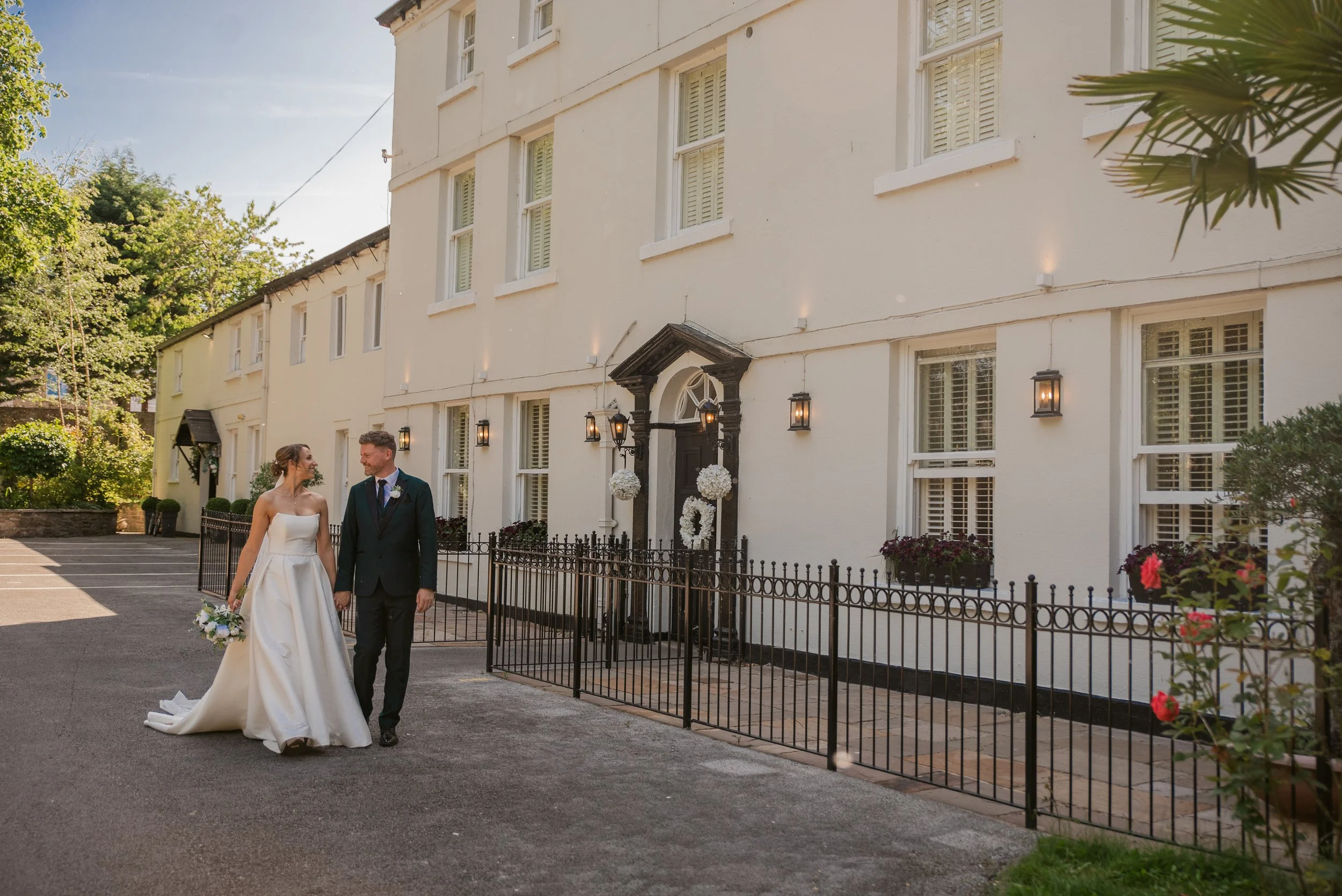
Sparth House is an original Georgian manor house wedding venue in Lancashire, with the main building constructed in 1740. The house has nearly six centuries of recorded history and sits on the edge of the Ribble Valley, around 45 minutes from Manchester. Your wedding spaces are always private. Full-house exclusivity is available when all 16 bedrooms are booked.
Why Couples Choose a Historic Manor House
There is something specific that a Georgian manor house offers a wedding that no hotel, barn or modern venue can imitate: a sense that the day is happening inside a story that started long before you arrived.
Couples choose historic manor house wedding venues because the architecture, the rooms and the grounds do most of the work. Period proportions and original features mean the venue dresses itself; the photographs need very little staging; the building itself becomes part of the wedding story rather than a backdrop you've hired by the hour.
The venue works in different ways through the year. In spring and summer, the landscaped gardens open up for drinks receptions and the kind of long evenings that photograph beautifully in low golden light. In autumn and winter, the wedding moves inside, with fires lit in the reception rooms and the building's period proportions doing the work that wide-open gardens do in summer. Couples often plan around the season they want their photographs to reflect.
Sparth House fits that brief precisely. The house is a working family home that happens to be open for weddings, not a function venue dressed up to look like a house. That distinction shows up in everything from the proportions of the ceremony rooms to the way the gardens flow out from the back of the building.
Nearly Six Centuries of History
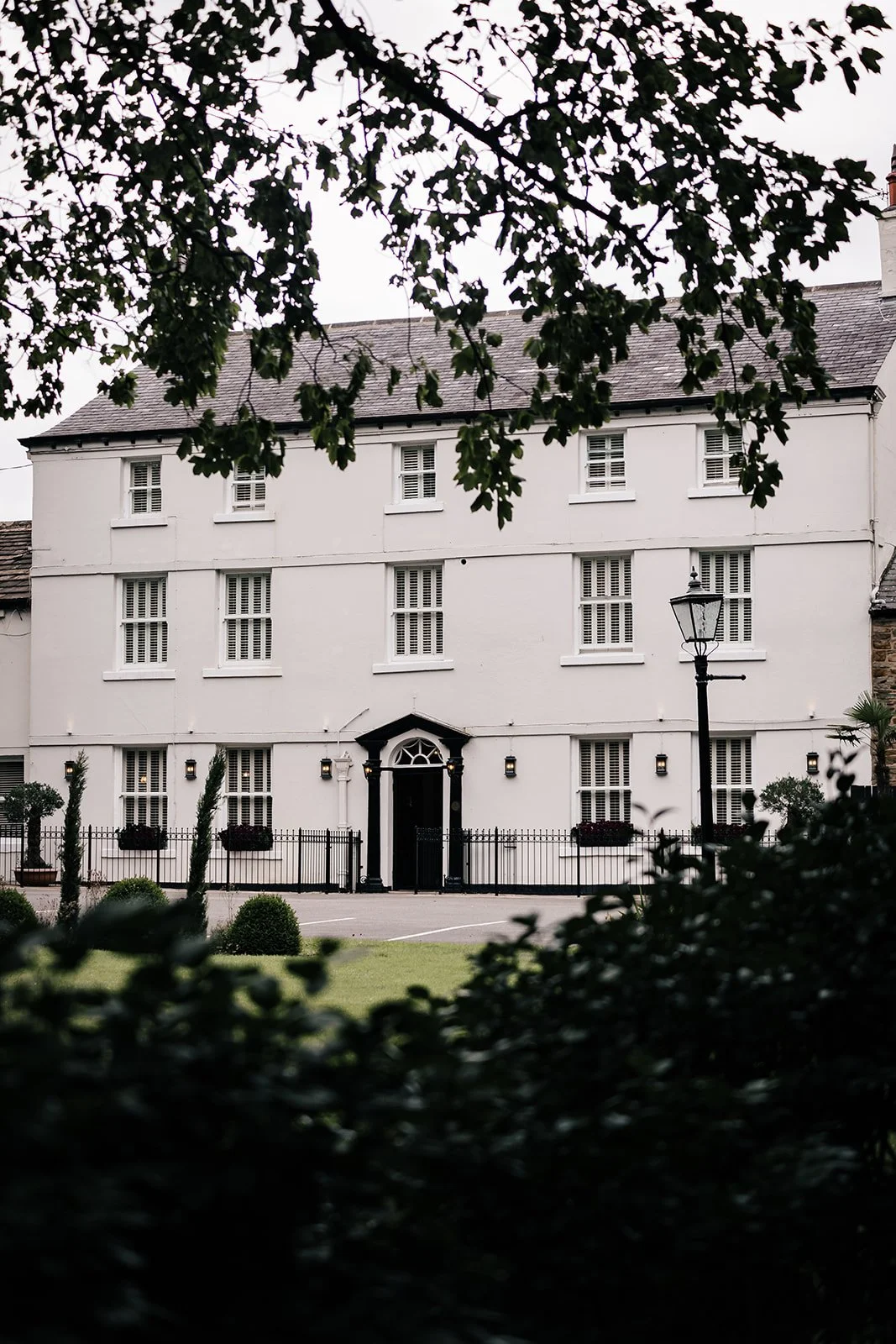
The first record of a dwelling on this site dates from 1455. The current main house was constructed in 1740, placing Sparth House squarely within the Georgian architectural period.
Over the centuries the property has passed through several families, most notably the Cunliffes. Robert Cunliffe, the first Member of Parliament for East Lancashire, left the house to his daughter Jennet in 1653. Jennet's relationship with John Grimshaw, a Catholic she married against significant family opposition, is sometimes described as Sparth House's own Romeo and Juliet moment. The story remains part of the building's local heritage.
In 1836, John Lomax oversaw a programme of renovation that preserved the Georgian frame while adapting the building for later domestic use. After spells as a private home, an antiques house and a hotel, Sparth House is now run as a dedicated wedding venue by the family who care for it.
One detail couples often remember from the show round: the furniture in Room 22 originally came from the RMS Olympic, the Titanic's sister ship.
Inside the House and Gardens
The interior keeps the proportions, fireplaces and architectural details you'd expect of a 1740 build. Two indoor ceremony rooms are licensed for civil ceremonies, both with the period feel that makes them suitable for a manor house wedding rather than a function-suite version of one.
Reception spaces flow naturally from one room to the next, with the bar, lounge and sitting room arranged for couples and guests to move between them rather than be funnelled. Sixteen guest bedrooms across the main house mean your closest guests stay where the wedding is happening, not in a hotel down the road.
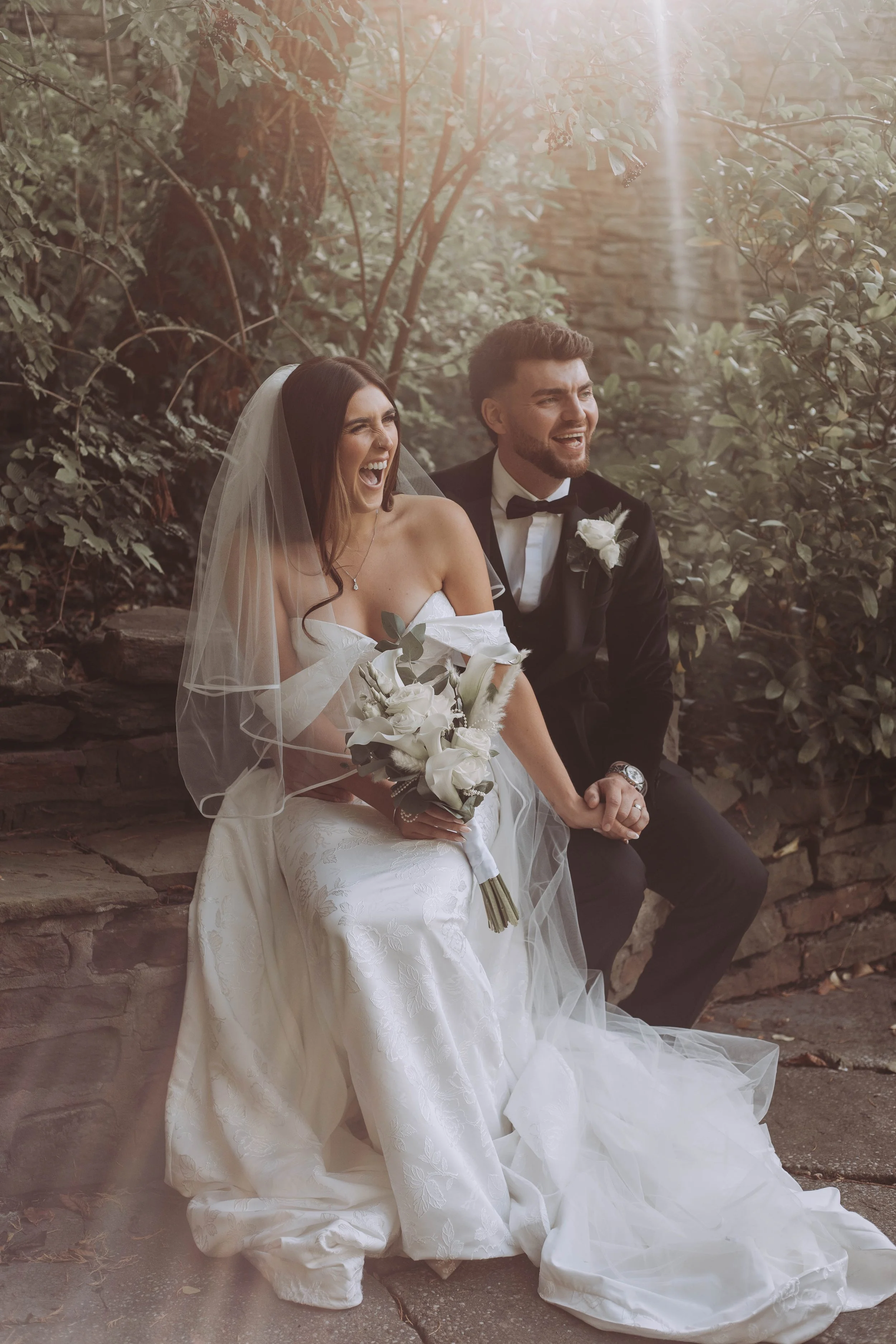
Outside, the landscaped gardens give the venue room to breathe. They work for outdoor drinks receptions, for photographs in every season, and as the kind of setting that needs no decoration beyond the day itself.
Your wedding spaces are always private, with the house, gardens and team focused on one wedding at a time. Full-house exclusivity — the whole house, gardens and all 16 bedrooms reserved for your wedding party — is available when all 16 bedrooms are booked.
The Ceremony and Reception
Sparth House can hold up to 100 daytime guests and up to 200 evening guests. The venue is licensed for indoor civil ceremonies, so couples can hold both the ceremony and the reception in the same building without moving guests between locations.
The two-bedroom Garden Apartment is available the night before for the couple and up to five of the bridal party, with private kitchen, dining and living space. Couples often use it as a quiet base for the morning of the wedding before joining guests in the main house.
Book a Private Viewing
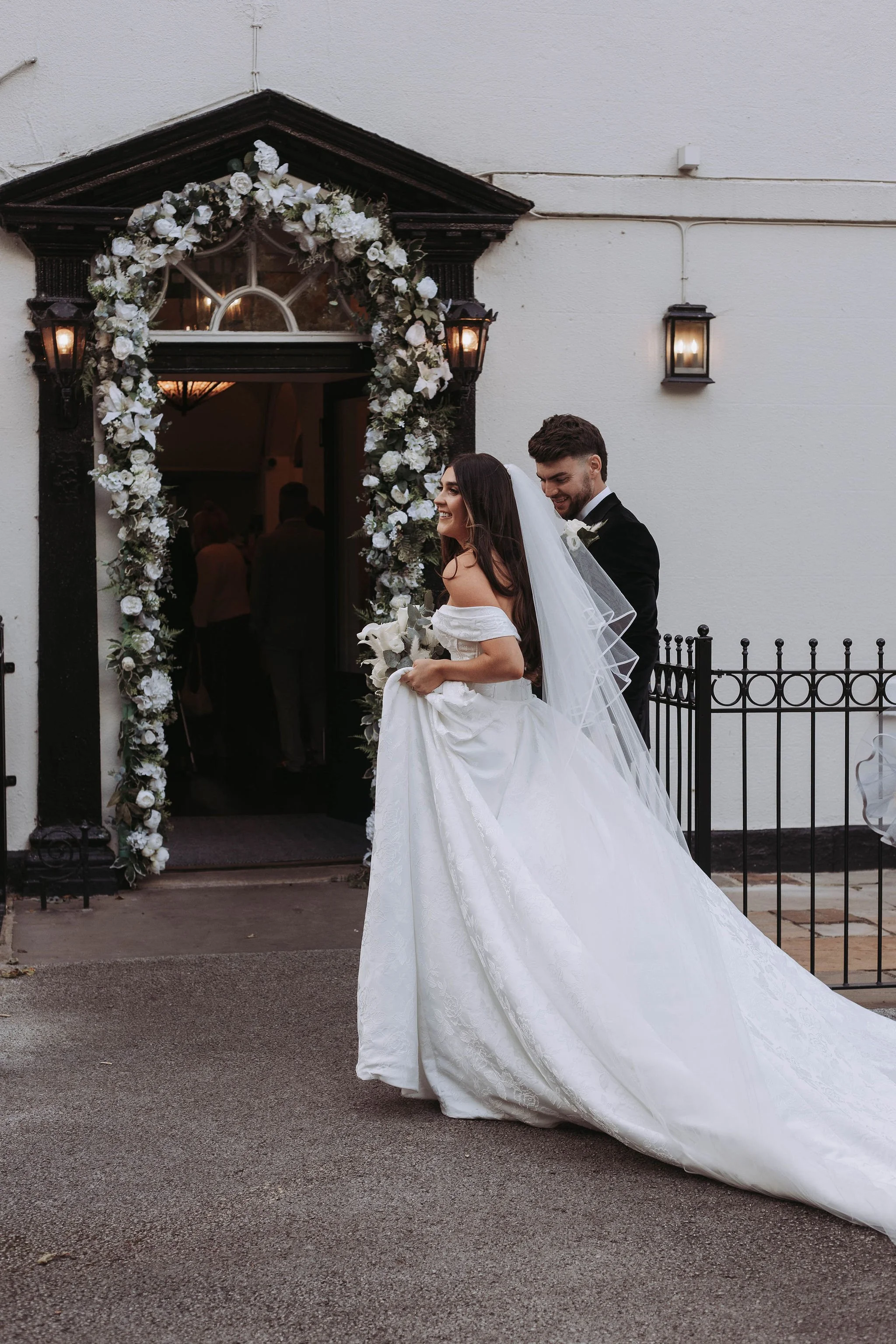
Manor house wedding venues come across very differently in photographs than they do in person. A private show round of Sparth House lets you walk the rooms, see the gardens and get a feel for the building's proportions. Show rounds are led by Olivia or Emma from the in-house wedding team.
Frequently Asked Questions
When was Sparth House built?
The main house was constructed in 1740, placing it within the Georgian architectural period. The first record of a dwelling on the site dates from 1455.
Is Sparth House a listed building?
Sparth House is a Georgian manor house with significant local heritage. For specific listing status questions, the wedding team can confirm at your show round.
What makes a Georgian manor house different from other manor house wedding venues?
Georgian architecture (roughly 1714 to 1830) is characterised by symmetry, sash windows, classical proportions and restraint. Most Lancashire manor house wedding venues are Tudor, Victorian or mixed-period; pure Georgian is narrower and gives a particular elegance to wedding photography.
Where exactly is Sparth House?
Sparth House is in Clayton le Moors, Lancashire, on the edge of the Ribble Valley, around 45 minutes from Manchester and Preston and under an hour from Leeds and Liverpool.
Is the venue exclusive-use?
Your wedding spaces are always private, whatever the package or guest numbers. Full-house exclusivity is available when all 16 bedrooms are booked by your wedding party, or when you cover any unfilled rooms. Our exclusive-use wedding venue page explains exactly how this works.
How many guests can a manor house wedding here hold?
Up to 100 daytime guests and up to 200 evening guests.